Skyline Deck Builders Austin: Professional Outdoor Living Specialists for Outdoor Entertainment Spaces
Patio vs. Deck: Which Outdoor Solution Is Right for You?
When evaluating exterior spaces, the choice between a deck and a patio often presents a challenge. Each option offers distinct advantages and disadvantages that can significantly affect both form and function. Elements including budget constraints, intended use, and maintenance requirements play essential roles in this selection. Recognizing these considerations can enable homeowners to choose wisely. Yet which option best suits your individual needs and desires? The result might be unexpected.
Making the Decision: Important Considerations for Your Outdoor Living Space
When evaluating the best option for an exterior area, what aspects deserve careful thought? Homeowners should assess several key elements, including the planned purpose of the area, financial considerations, and maintenance requirements. Initially, understanding how the outdoor area will be utilized—whether for entertaining, relaxation, or gardening—plays a significant role in the decision. Next, cost restrictions serve as an important factor; patios tend to be more affordable to install than decks, as decks often require costlier materials and more complex construction. Additionally, ongoing care demands must be factored in. Patios typically require less upkeep than decks, which may demand regular sealing and staining. Moreover, regional weather conditions and landscape features may influence the longevity and suitability of each choice. By carefully considering these elements, homeowners are better equipped to select an option that reflects their way of living and personal preferences, creating a fulfilling outdoor setting that will serve them well for many years ahead.
Getting to Know the Fundamentals: How a Patio Differs From a Deck?
Learning the essentials of patios and decks involves recognizing their distinct material choices and design elements. Patios are commonly built using concrete, stone, or brick, whereas decks are typically crafted from wood or composite materials. Additionally, decks are often elevated, delivering a unique aesthetic and functional appeal compared to the ground-level nature of patios.
Overview of Material Choices
Material selection serves a critical purpose in the difference between patios and decks. Patios are typically constructed using materials like stone, brick, or concrete, offering a stable surface and durability that merges harmoniously with the surrounding environment. These materials are frequently selected for their ability to withstand various weather conditions and require minimal maintenance.
In contrast, decks are generally built from wood or composite materials, which deliver a cozier look and are lifted off the ground. Conventional timber selections, such as cedar or redwood, deliver natural beauty but demand consistent care to protect against rot and degradation. Composite decking materials, while frequently costlier, present a minimal-upkeep solution that resembles the look of wood. Ultimately, the choice of material greatly affects the performance and aesthetic value of each outdoor space.
Differences in Elevation and Design
The level of elevation serves as a major differentiating factor between patios and decks. Generally, patios are constructed at ground level using materials like stone, concrete, or brick. This makes them closely integrated with the surrounding landscape, providing a stable surface for outdoor furniture and activities. In contrast, decks are often elevated structures made from wood or composite materials, allowing for a view of the yard or surrounding area. Such elevation can significantly improve outdoor experiences, especially on sloped terrains. In terms of design, patios are generally more adaptable in shape and size, merging effortlessly with garden spaces, while decks usually maintain a more consistent rectangular or square configuration, frequently including railings and stairs to ensure accessibility.
Key Reasons to Select a Patio for Your Outdoor Area
While both patios and decks offer unique advantages, a large number of homeowners discover that a patio offers a flexible and long-lasting option for outdoor living spaces. Patios are able to be crafted from a wide range of materials, including concrete, stone, or brick, providing opportunities for customization to suit the home's overall style. Their minimal height and harmony with the surrounding landscape produce a fluid connection between indoor and outdoor living spaces.
Furthermore, patios require less maintenance compared to decks, which often need regular treatment and sealing. Patios are also less susceptible to problems like warping or splintering, which makes them a safer option for families with children or pets. In addition, patios are able to support a wide range of outdoor additions like fire pits, grills, or seating areas, enhancing their functionality. All things considered, for individuals in search of a resilient, flexible outdoor living space, a patio stands as an ideal solution that aligns with different lifestyle requirements and tastes.
How Decks Enhance Outdoor Living
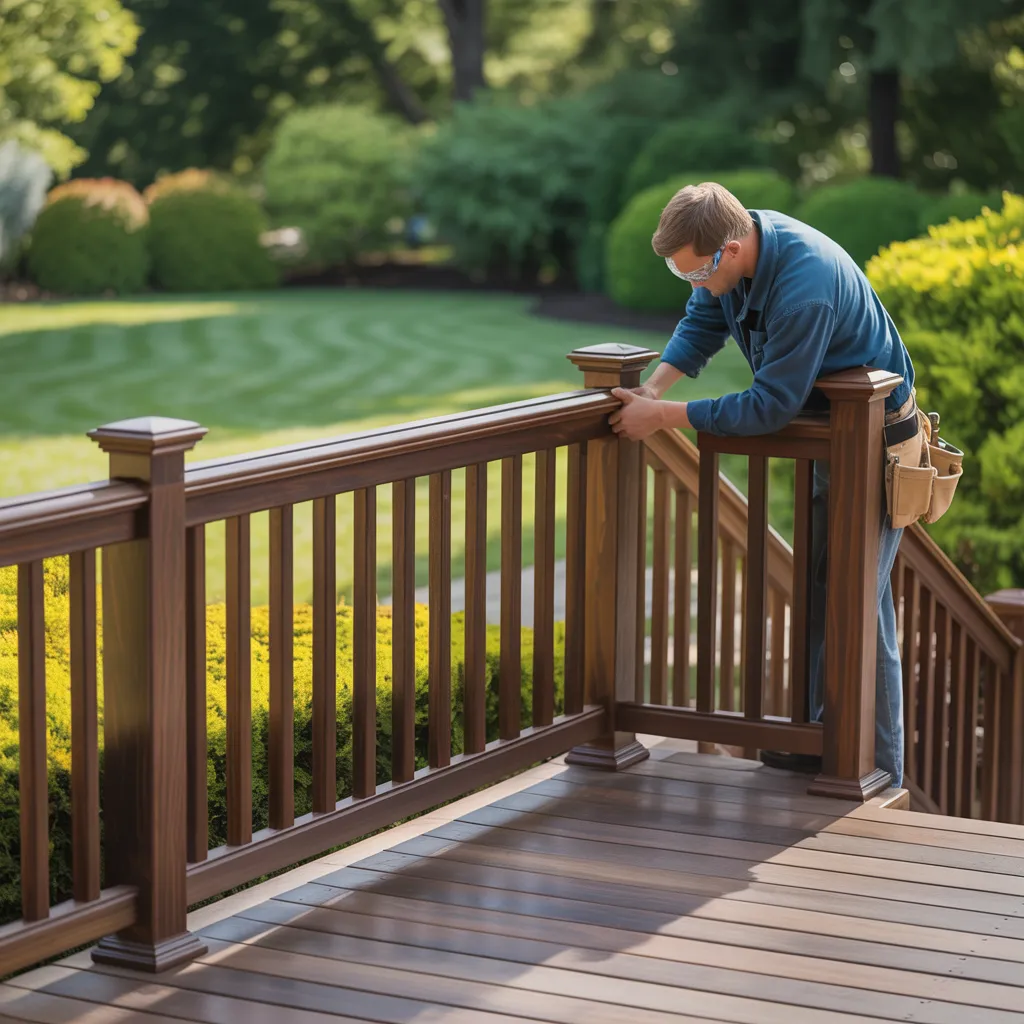
When considering options for outdoor living, decks present a distinctive quality that numerous homeowners value. Elevating a space above ground level, decks provide unobstructed views of the neighboring landscape, elevating the overall enjoyment of outdoor areas. This height also allows for better drainage and reduces moisture buildup, which can be a concern with ground-level patios.
In addition, decks deliver diverse design solutions, allowing for various designs and construction options, from classic wood to engineered composite materials, ensuring a blend with the house's architectural style. They further establish an perfect space for welcoming guests, as they can easily fit outdoor furniture, grilling equipment, and other exterior accessories.
Moreover, decks can serve as transitional areas, seamlessly connecting interior and exterior spaces. The flexibility to adjust proportions and design allows homeowners to optimize their exterior living space. All in all, decks improve outdoor lifestyle experiences, contributing to both usability and decorative value.
Patio vs. Deck: How Do the Costs Compare?
Cost considerations play an essential role in the decision-making process between choosing a patio or a deck for outdoor living areas. As a rule, patios usually carry a lower initial cost to install than decks. Patios, frequently made from concrete, stone, or brick, are often more affordable owing to accessible materials and less complex labor needs. In contrast, decks typically require more specialized materials like wood or composite, along with additional structural support, increasing overall expenses.
In addition, the cost of routine maintenance can differ. Deck surfaces typically need regular staining or sealing, while patio surfaces generally demand less frequent maintenance. That said, the overall landscape design can influence costs notably. Property owners should consider their budget not only for the installation process but also for anticipated long-term expenses. Ultimately, understanding these cost-related factors can support a knowledgeable decision that suits both aesthetic preferences and budgetary constraints.
Deck vs. Patio: Maintenance Needs?
Caring for a deck usually needs greater attention than maintaining a patio. Decks, particularly those constructed from wood, are vulnerable to rot, weathering, and insect damage. Routine sealing and staining are required to protect the wood and prolong its lifespan. On the other hand, patios, frequently built from long-lasting materials such as concrete or stone, demand less frequent maintenance. Caring for a patio usually entails periodic sweeping and pressure washing to eliminate dirt and debris.
Furthermore, decks often require repairs from bent or deteriorating planks, while patios tend to stay in good condition unless fractured. Periodic care for decks often requires checking for displaced fixings and ensuring adequate water flow to eliminate moisture retention. Ultimately, while each of these outdoor areas demands maintenance, the maintenance needs of a deck are more intensive and time-consuming compared to the needs of a patio, making it necessary for homeowners to gauge their readiness before making a decision.
The Beauty Factor: Patios vs. Decks for Your Home
When evaluating aesthetic appeal, both patios and decks offer unique advantages for homeowners. Patios deliver a wide array of design options with diverse materials and finishes, while decks often shine in their ability to incorporate vibrant colors and natural wood. Recognizing these possibilities enables homeowners arrive at thoughtful decisions that improve their outdoor living areas.
Design Flexibility
Design flexibility is a crucial factor in elevating the beauty of exterior living areas, with both patios and decks providing distinct benefits. Patios, typically constructed with stone, brick, or concrete, can seamlessly blend into various landscaping styles, establishing a harmonious appearance. Their level surfaces accommodate numerous design features, like outdoor seating, fire pits, and decorative planters, giving homeowners the ability to tailor their space to their preferences.
On the other hand, decks, frequently built at an elevation using wood or composite materials, provide a different decorative appeal. They can enhance views and create a sense of openness, ideal for homes near water or elevated terrains. Both options, thus, allow for creative expression, catering to different tastes and functional needs in outdoor design.
Material and Color Choices
Color and material choices significantly impact the overall visual attractiveness of patios and decks, both presenting distinct design possibilities. Patios typically utilize materials such as stone, concrete, or brick, allowing for a variety of textures and finishes. Such materials can be personalized with colors spanning from earthy tones to bold hues, accentuating the surrounding landscape. By comparison, decks are frequently built using wood or composite materials, that can be stained or painted to create a preferred appearance. Wood decks offer a timeless warmth, while composites offer durability in an array of colors. In the end, the home and landscape design guide the selection, as both options can blend with or distinguish themselves from the existing architectural style, forming a harmonious exterior setting.

Popular Questions We Receive
Can I Install a Patio or Deck Myself?
Indeed, a person can construct a patio or deck evidence on their own, given that they have the required tools, skills, and knowledge. Careful planning, compliance with local rules, and understanding of materials are essential for a successful installation.
What Materials Are Best for Patios and Decks?
Concrete, pavers, and natural stone make excellent choices for patios, whereas wood, composite, and vinyl are outstanding options for decks. Each of these materials brings its own set of benefits in durability, visual appeal, and upkeep, ultimately impacting the overall outdoor living experience.
How Do I Choose the Right Location for My Patio or Deck?
Picking the most suitable place for a deck or patio involves considering drainage, sunlight, proximity to the home, privacy, and views. Considering these key factors ensures an functional and enjoyable outdoor space that enhances the surrounding environment.
Which Provides Better Resale Value: Patios or Decks?
Patios tend to deliver greater resale value due to their durability, lower maintenance costs, and seamless integration with landscaping. However, decks can attract buyers seeking elevated outdoor spaces, rendering both alternatives potentially worthwhile depending on current market trends.
What Local Codes Apply to Patio and Deck Installation?
Local regulations affecting patio and deck installation typically include permits, zoning laws, and building codes. Homeowners need to check height restrictions, property line setbacks, and materials allowed to secure conformance with municipal requirements before beginning construction.